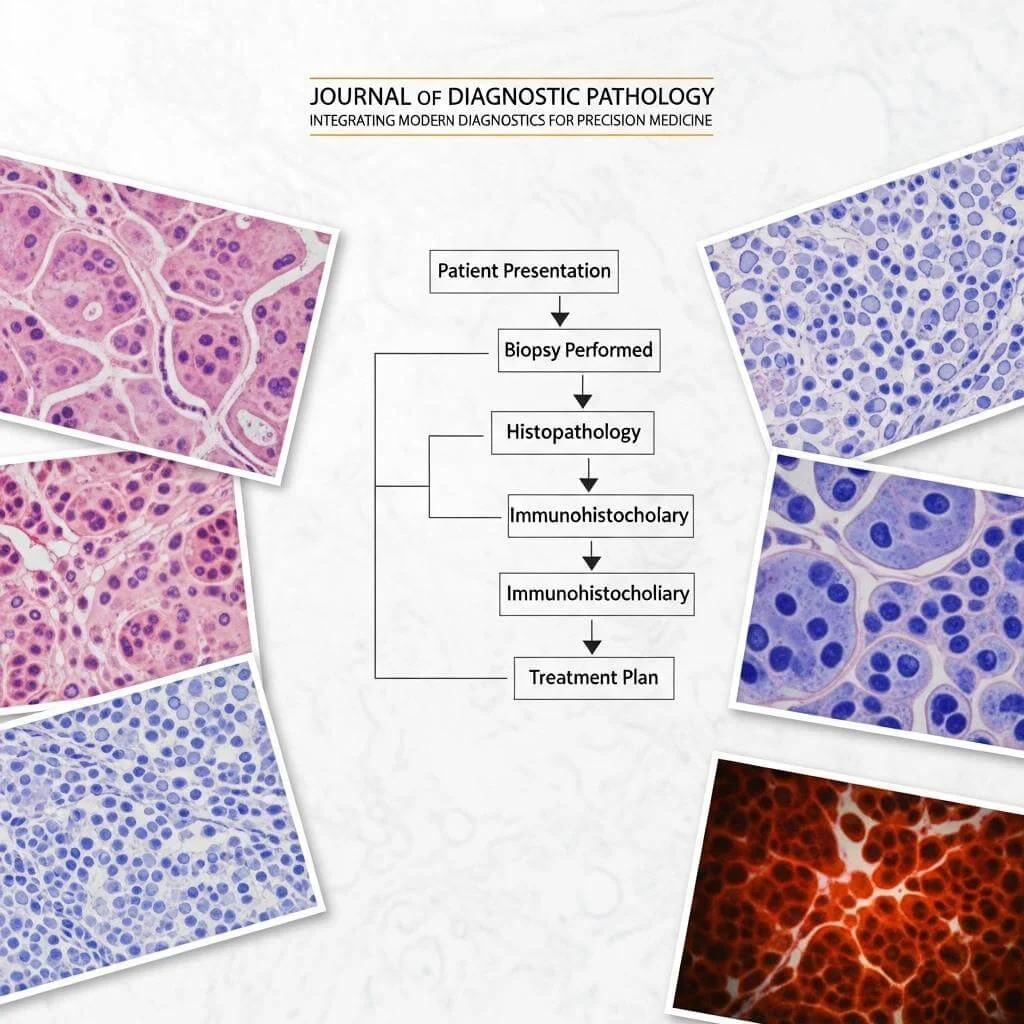
Triple-negative breast cancer is a highly heterogeneous and aggressive disease lacking targeted therapeutic options. Molecular subtyping based on gene expression profiles has improved biological understanding but remains impractical for routine clinical use due to cost, complexity, and limited accessibility. This research introduces a clinically applicable surrogate subtype classification for TNBC that closely correlates with established Vanderbilt gene expression subtypes.
The study analyzes 145 TNBC patients who underwent primary curative surgery. Gene expression profiling was performed using Affymetrix microarrays, and tumors were categorized into Vanderbilt subtypes. To create an accessible alternative, the authors applied classification and regression tree modeling to immunohistochemical markers and tumor-infiltrating lymphocyte levels. The final surrogate classification relies on androgen receptor Allred score, TIL percentage, and p16 staining patterns.
The surrogate system successfully classifies TNBC into luminal androgen receptor, immunomodulatory, mesenchymal-like, and basal-like subtypes, achieving an accuracy of 70.8 percent when compared with gene expression–based classification. Survival analysis further demonstrates that the mesenchymal subtype is associated with significantly worse disease-free survival, highlighting the prognostic value of the approach.
This paper is highly relevant for oncologists, pathologists, translational researchers, and clinical trial designers seeking practical TNBC subtyping methods. It provides a validated framework that bridges molecular oncology and real-world diagnostic workflows.